Tennis Bids Adieu to Wawrinka at His Last Grand Slam Hurrah
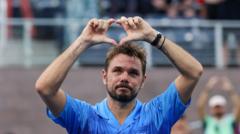
The echoes of applause still resonate through the concrete corridors of the US Open, a fitting farewell for a man who has spent three decades chasing perfection on tennis's grandest stages. Stan Wawrinka, the Swiss maestro who claimed three major titles through sheer determination and an unparalleled one-handed backhand, has played his final Grand Slam match. What might have been a quiet sunset for many athletes instead became a celebration of a career that defied conventional wisdom about when champions should peak and what constitutes a complete legacy in professional tennis.
Wawrinka's journey to this poignant moment at Flushing Meadows encapsulates everything remarkable about his career arc. He was never the dominant figure who swept through tournaments with inevitable regularity. Instead, he carved his legend through moments of exquisite brilliance, most notably his victories at the 2014 Australian Open, 2015 French Open, and 2016 US Open. These triumphs came relatively late by modern standards—his first major arrived when he was already 29 years old, an age when many players contemplate retirement rather than their greatest achievements. This trajectory made him uniquely relatable, a living testament to the idea that championships reward perseverance as much as precocious talent.
The US Open crowd, known for its passionate and occasionally volatile nature, responded to Wawrinka's final appearance with warmth and genuine affection. In an arena where players are often subjected to intense scrutiny and unforgiving judgment, the atmosphere transformed into something more profound. Spectators recognised they were witnessing the conclusion of an era, a final chapter in the story of someone who had given them unforgettable matches and demonstrated the nobility of competing at the highest level well into the twilight of his career. The emotional resonance of the moment transcended the ordinary narrative of professional sport, tapping into something deeper about respect, admiration, and gratitude.
A Career Built on Resilience and Technical Mastery
Understanding the significance of Wawrinka's Grand Slam goodbye requires appreciating the obstacles he overcame throughout his career. Injuries have been constant companions, threatening to derail his progress numerous times. His shoulder has required multiple surgeries, forcing extended absences from competition at critical junctures. Other players might have surrendered to such physical setbacks, accepting diminished circumstances or early retirement. Wawrinka instead demonstrated an almost stubborn refusal to accept limitations, returning each time with renewed purpose. This resilience, more than raw talent alone, defines his legacy and explains why his peers and the tennis community regard him with such profound respect.
The technical brilliance of Wawrinka's game represents another dimension of his appeal. His one-handed backhand stands as one of modern tennis's most aesthetically striking and devastating shots—a weapon that could turn defense into sudden, overwhelming offense. Watching him unleash this stroke in moments of pressure created some of the sport's most memorable highlights. Beyond this signature shot, Wawrinka possessed an all-court game with surprising versatility, capable of winning matches through multiple approaches rather than relying on a singular dominant serve or forehand. This stylistic complexity meant his victories always felt earned through comprehensive mastery rather than the dominance of physical superiority that characterises some champions.
What His Grand Slam Finale Means for Modern Tennis
The reception Wawrinka received at the US Open carries implications extending beyond one player's retirement. It represents an acknowledgment from the tennis establishment and its audience that success is not measured solely in tournament victories or years spent ranked number one. A career can be complete and worthy of celebration even when it doesn't follow the trajectory of tennis's all-time greats. In an era dominated by the exceptional longevity of Federer, Nadal, and Djokovic, players like Wawrinka who competed fiercely but without their level of absolute dominance risk being overlooked. The emotional send-off at Flushing Meadows suggested a correction to that perspective, a recognition that his three major titles represent genuine achievement worthy of permanent recognition in tennis history.
Moreover, Wawrinka's career demonstrated that breakthrough success can arrive late, that the conventional timeline for athletic achievement need not apply universally. His first Grand Slam victory at age 29 offered inspiration to everyone who has suffered disappointment or setbacks, suggesting that fortitude and continued improvement matter more than precocious early success. Throughout his career, he faced extraordinary competition from players of similar or marginally superior ability, yet managed to seize the moments when they mattered most. This required not just technical skill but mental fortitude, the capacity to believe in one's chances against superior-ranked opponents on tennis's biggest stages.
As Wawrinka steps away from Grand Slam competition, the US Open crowd's emotional tribute serves as an appropriate testament to a career characterised by quiet excellence and dignified persistence. He may never command the cultural prominence of tennis's most transcendent figures, nor did he accumulate the stunning win-loss records that typify the sport's dynasties. Yet within the specific context of his achievements, the circumstances of his rise, and the obstacles he navigated, his legacy stands intact and admirable. The three-time major champion departs the Grand Slam stage not with quiet resignation, but with the warmth of recognition and the genuine affection of those who witnessed his journey. That, in many respects, represents a farewell most athletes never receive.