Wawrinka Departs Without Final US Open Bow Despite Storied Tennis Legacy
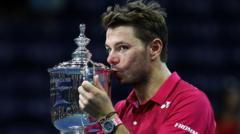
As Stan Wawrinka contemplates life after professional tennis, his thoughts inevitably return to the venues and tournaments that defined his extraordinary career. Among these cherished memories, the US Open occupies a particularly exalted position in the Swiss maestro's mind. Despite the recent disappointment of being denied a wildcard entry for what would have been a poignant final appearance at Flushing Meadows, Wawrinka's affection for the American tournament remains unshaken and profoundly meaningful.
The three-time Grand Slam champion, whose elegant backhand and fierce competitive spirit made him one of the most compelling figures in modern tennis, has spent recent months processing the emotional reality of stepping away from the sport that consumed his life for decades. The absence of a wildcard invitation to the US Open represented a sobering moment—a stark reminder that even the greatest champions eventually reach the end of their journey. Yet rather than allowing bitterness to cloud his perspective, Wawrinka has chosen to celebrate what the tournament has given him throughout his career, viewing it as a crucial chapter in a remarkable life story.
A Trophy That Changed Everything
Wawrinka's relationship with the US Open extends far deeper than the typical competitor's attachment to a major venue. This was the tournament where he announced himself on tennis's grandest stage, capturing his first Grand Slam title in 2016 in a performance that sent shockwaves through the sport. That victory, achieved on the hard courts of Queens, represented the validation of years of dedication and self-belief. It transformed him from a talented journeyman into a major champion, forever altering the trajectory of his professional existence. The significance of that moment cannot be overstated—it was the breakthrough that legitimized everything he had worked toward since childhood.
The American hard court environment has consistently suited Wawrinka's playing style, allowing his topspin-laden groundstrokes and powerful serve to flourish. His mastery of the surface and his mental fortitude when competing in New York became hallmarks of his career. Over the years, the US Open became not merely a tournament where he competed, but rather a stage upon which some of his most memorable performances unfolded. From thrilling comebacks to dominant displays of technical brilliance, Wawrinka left an indelible mark on the championship.
Gratitude Beyond Results
What makes Wawrinka's recent statements particularly poignant is the grace with which he has accepted the closure of this chapter. Rather than fixating on what was denied to him—a final farewell appearance at a venue so central to his identity—he has articulated a philosophy grounded in gratitude. He has spoken eloquently about how his US Open experiences will forever rank among the greatest moments of his life, suggesting that no wildcard refusal can diminish or tarnish those achievements. This perspective reflects a maturity and wisdom that often comes only through the passage of time and the reflective process that retirement demands.
The decision not to grant Wawrinka a wildcard represented an institutional judgment, one made no doubt with various considerations in mind regarding tournament scheduling, seeding logistics, and the enormous number of players seeking entry to the year's final Grand Slam event. Such decisions are never made in isolation, yet they carry profound weight for the athletes involved. For a player of Wawrinka's stature and accomplishments, the rejection stung with particular force. Yet his response has been measured, dignified, and ultimately redemptive. He has refused to allow an administrative disappointment to diminish his appreciation for all that Flushing Meadows has represented in his career.
Wawrinka's journey to retirement reflects the complex emotions that accompany the end of an elite athletic career. Unlike younger players who may view the US Open as merely one stop among many future appearances, Wawrinka understood that another opportunity at this venue was far from guaranteed. The uncertainty of the retirement process, combined with the physical and mental demands of professional tennis, meant that each major championship potentially represented a final chance to compete at the highest level. The denial of a wildcard forced him to confront the finality of his departure from the sport in a way that might have been avoided had he received the invitation.
Yet from this confrontation with finality has emerged a philosophical stance that speaks volumes about character. By choosing to emphasize gratitude rather than resentment, Wawrinka has transformed a moment of rejection into an affirmation of his love for the game itself. His US Open triumph in 2016 remains untarnished, existing in the record books as a permanent testament to his excellence. The memories he created in New York—the dramatic victories, the technical masterclasses, the emotional roller coaster of tournament tennis—cannot be erased by administrative decisions made years later.
As Wawrinka enters the next phase of his life, his reflection on the US Open serves as a reminder that professional athletes' legacies are built not solely upon trophies and rankings, but upon the way they carry themselves through triumph and disappointment alike. The tournament that launched his career as a major champion will indeed remain one of the greatest chapters in his tennis story, wildcard or no wildcard. And perhaps that is the most fitting conclusion to a career characterized by technical artistry, fierce determination, and ultimately, graceful acceptance of life's inevitable conclusions.